Insights
Technical writing on self-healing concrete mechanisms, low-carbon mix design, infrastructure durability, and the developing standards landscape around autonomous healing assessment. Written by the Gelmedix technical team — for engineers and specification writers who want the mechanism, not the marketing.
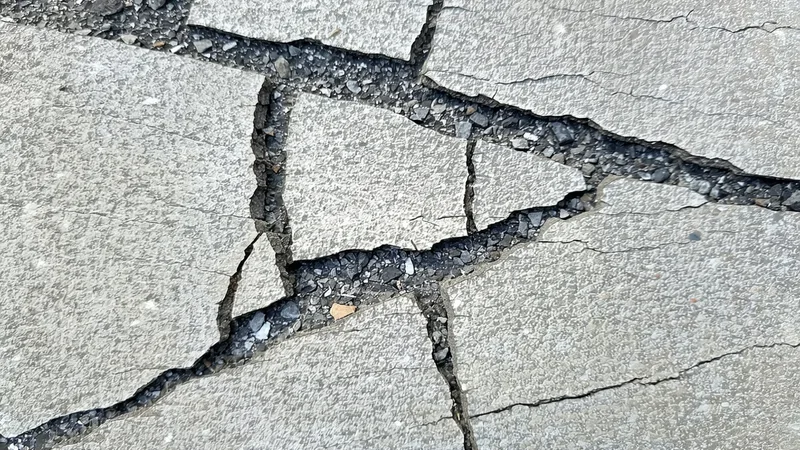
Why Concrete Cracks — And What It Really Costs Infrastructure Owners
Concrete cracking is not a failure mode — it is an expected behaviour built into the design. The real cost is the mobilization cycle that follows every winter.
Read more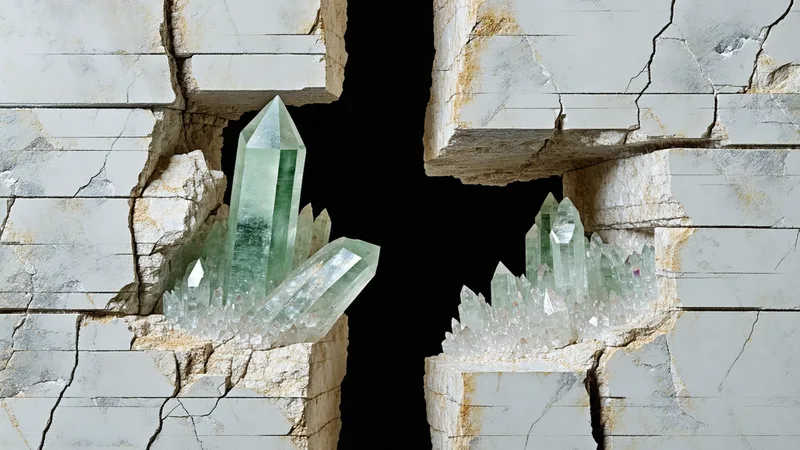
Self-Healing Concrete: Three Mechanisms and Why Gel-Based Chemistry Is Different
Autogenous healing, bacterial precipitation, and encapsulated chemistry each work at different scales. Here is how the gel matrix approach compares on practical construction parameters.
Read more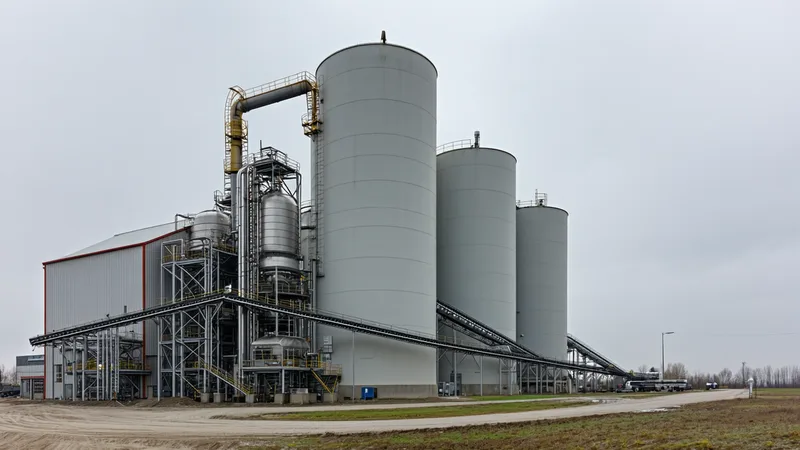
Where Does Concrete's Carbon Come From? A Supply Chain View
Portland cement clinker production accounts for roughly 85-90% of ready-mix concrete's embodied carbon. Understanding the source is the first step to engineering the reduction.
Read more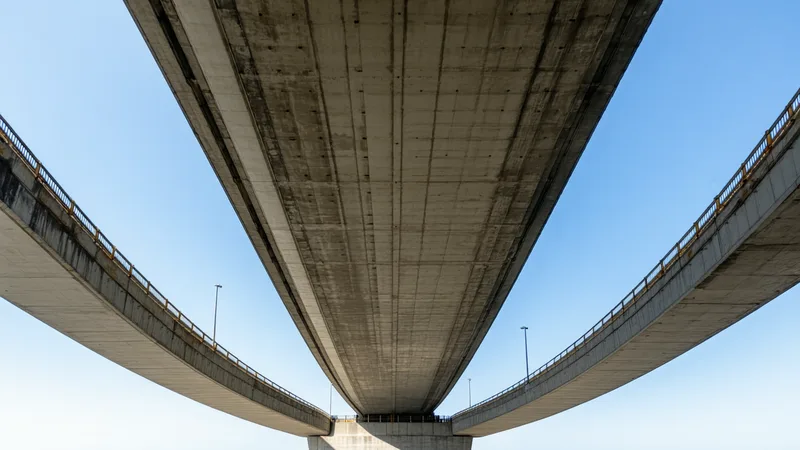
Specifying Self-Healing Concrete for Bridge Decks: A Practical Guide for Engineers
Bridge deck environments are among the most demanding — thermal cycling, chloride exposure, traffic load variability. Here is what the specification should address when writing in self-healing materials.
Read more
Low-Carbon Mortar in Parking Structures: Case for Lifecycle Thinking
Parking structures are high-chloride, high-freeze-thaw environments. When mortar repair frequency is factored in, lifecycle carbon often surprises specifiers who optimise only for initial pour.
Read more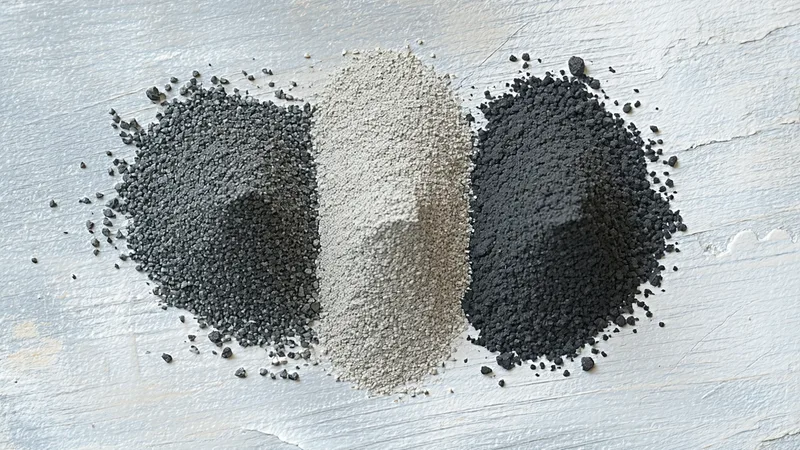
SCMs in Practice: Fly Ash, Slag, and Calcined Clays in Low-Carbon Mix Design
Supplementary cementitious materials reduce clinker content and cut embodied CO2 — but each SCM has processing requirements, reactivity windows, and durability trade-offs. A working guide for mix design engineers.
Read more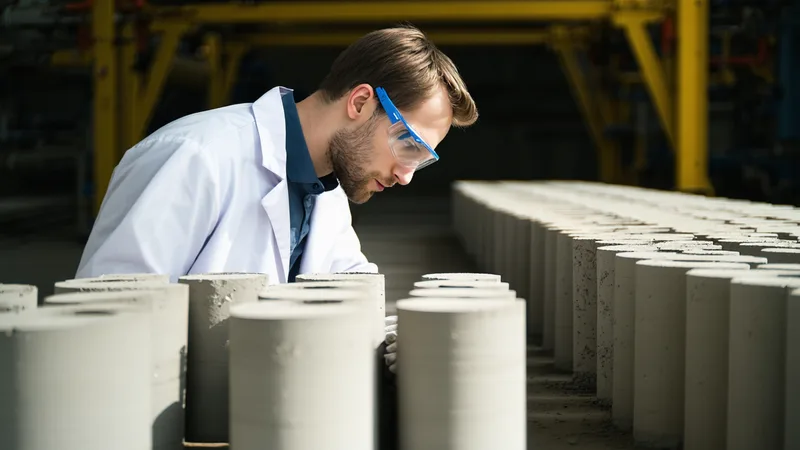
ASTM Standards and the Self-Healing Concrete Landscape: Where the Industry Is Heading
Standardisation is the inflection point for any new construction material. We trace the current ASTM and RILEM committee work relevant to autonomous healing assessment and what it means for early adopters.
Read more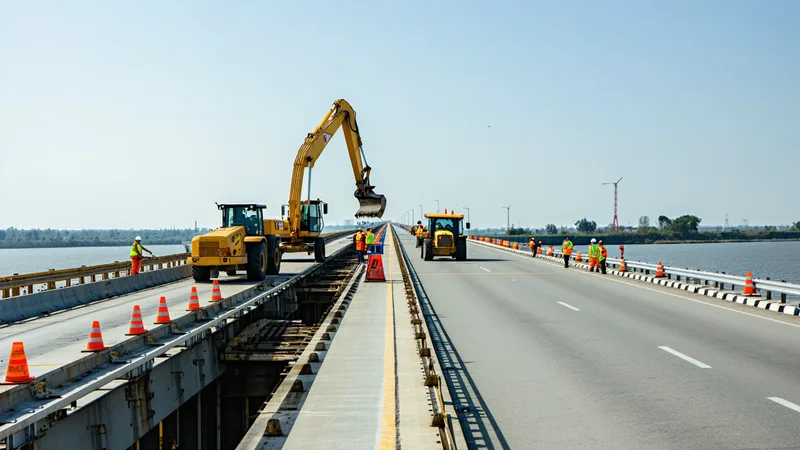
The Hidden Carbon of Maintenance: Why Self-Healing Reduces More Than Embodied CO2
Embodied carbon gets most of the attention, but repair mobilization adds a significant operational carbon tail. Self-healing reduces both.
Read more